Hampton Heath Friends: Crane Valley Partnership Projects
If you’ve ever walked past the green space surrounding David Lloyd Hampton, you may not realise you’re passing through a remarkable community-led conservation success story.
Known locally as Hampton Heath, this public greenspace was largely unmanaged for many years. As a result, fly tipping and dog waste had become a common sight. However, thanks to the dedication of local residents, what once was an overlooked thoroughfare has been transformed into a thriving haven for wildlife.
The Hampton Heath Friends started off with a local resident, Art, who organised a one-off litter pick event on local social media in 2021. The turn out from the local community was amazing with over 20 sacks of litter removed in just two hours, but it was clear that this was barely scratching at the surface of the problem. A group of the original participants began meeting each week, with more and more residents joining the weekly clean-ups. By 2022, the growing community group decided to give the area the name “Hampton Heath”, and formally became the Hampton Heath Friends. From there, their activities began to expand well beyond litter picking.
Today, their work has helped turn Hampton Heath into a biodiversity hotpot, with over 850 species of insects, plants, fungi, amphibians, reptiles, birds, and mammals recorded, including several significant, nationally and locally rare species. Striking images of this biodiversity can be found on their iNaturalist profile (Observations · iNaturalist) and their popular weekly newsletters.
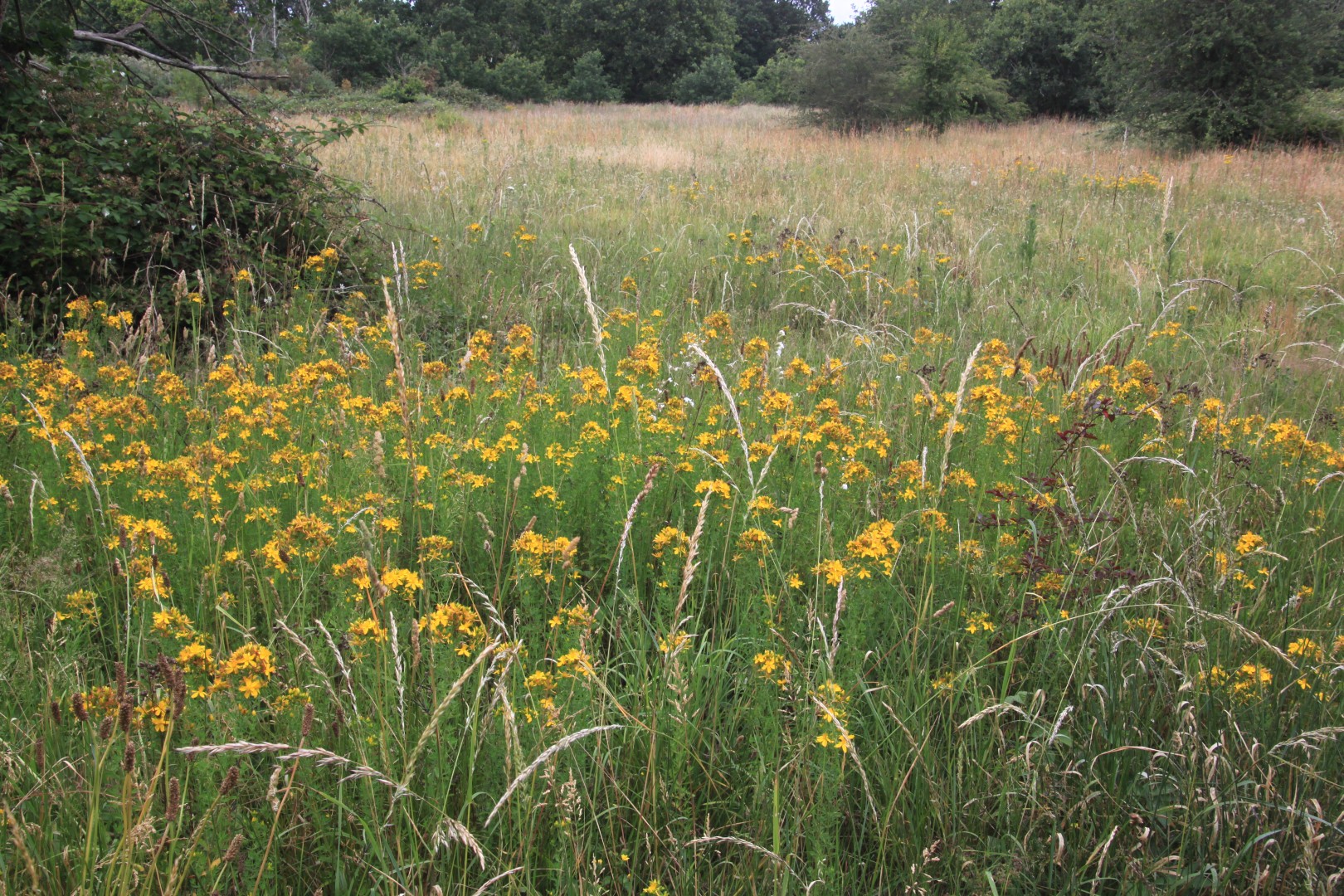
This increase in species is thanks to the group’s huge management efforts of a mosaic of different habitats across the site, from woodland and shrubs to meadows. Their work includes maintaining paths and ponds, bramble clearance, litter picking, and meadow techniques such as grassland management using ‘cut, rake, remove’ to encourage wildflower growth. The group is also attempting to replicate the species diversity found at Hounslow Heath, as historical records show these green spaces were once connected. Volunteers have been carefully introducing native species typical of heathland and low-acid grassland habitats through ethical seed collection from nearby sites. Bell heather, dwarf gorse and sheep sorrel can now be found on site, helping to recreate habitats that have been lost over time. They have also successfully relocated some bee orchids which were found on the golf course to a more suitable location.
Funding from the Crane Valley Community Fund has helped to support the work of the group. A previous grant helped fund the creation of a seasonal pond near an existing ditch at the site, designed to support amphibians and contribute to flood alleviation. The group also received funding to purchase tools to aid ongoing conservation work, including rakes, hedge and pole trimmers, bow saws, secateurs, a lopper and a rotary scythe.
The funding is also helping the group create new seating and interpretation signage using timber from veteran and mature oak trees which died and had to be felled on site, ensuring this valuable resource can continue to benefit visitors and wildlife.
David Lloyd have also been supportive of the Hampton Heath Friends, providing storage space for tools and offering well deserved tea and coffee after their weekly sessions.
Hampton Heath is a clear example that with a vision, persistence and community spirit, neglected spaces can quickly transform into areas teeming with wildlife.
Hampton Heath Friends meet every Saturday from 10am to 12pm at David Lloyd Hampton. To find out more or to sign up to their fascinating weekly newsletter, email hello@hamptonheath.org.
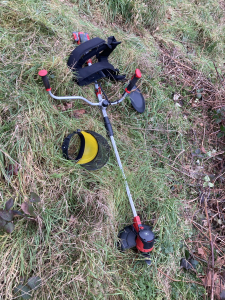
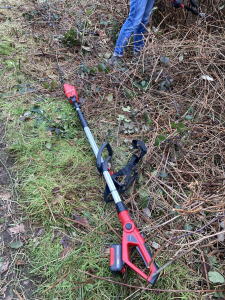
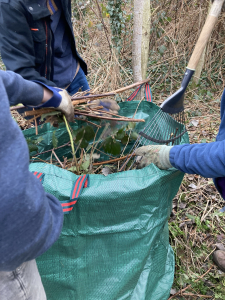
Image of tools purchased with the Crane Valley Community Fund
-
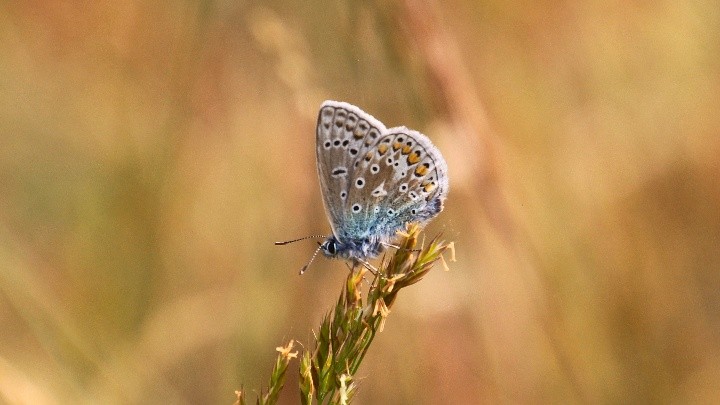
- Common blue butterfly at Hampton Heath
-
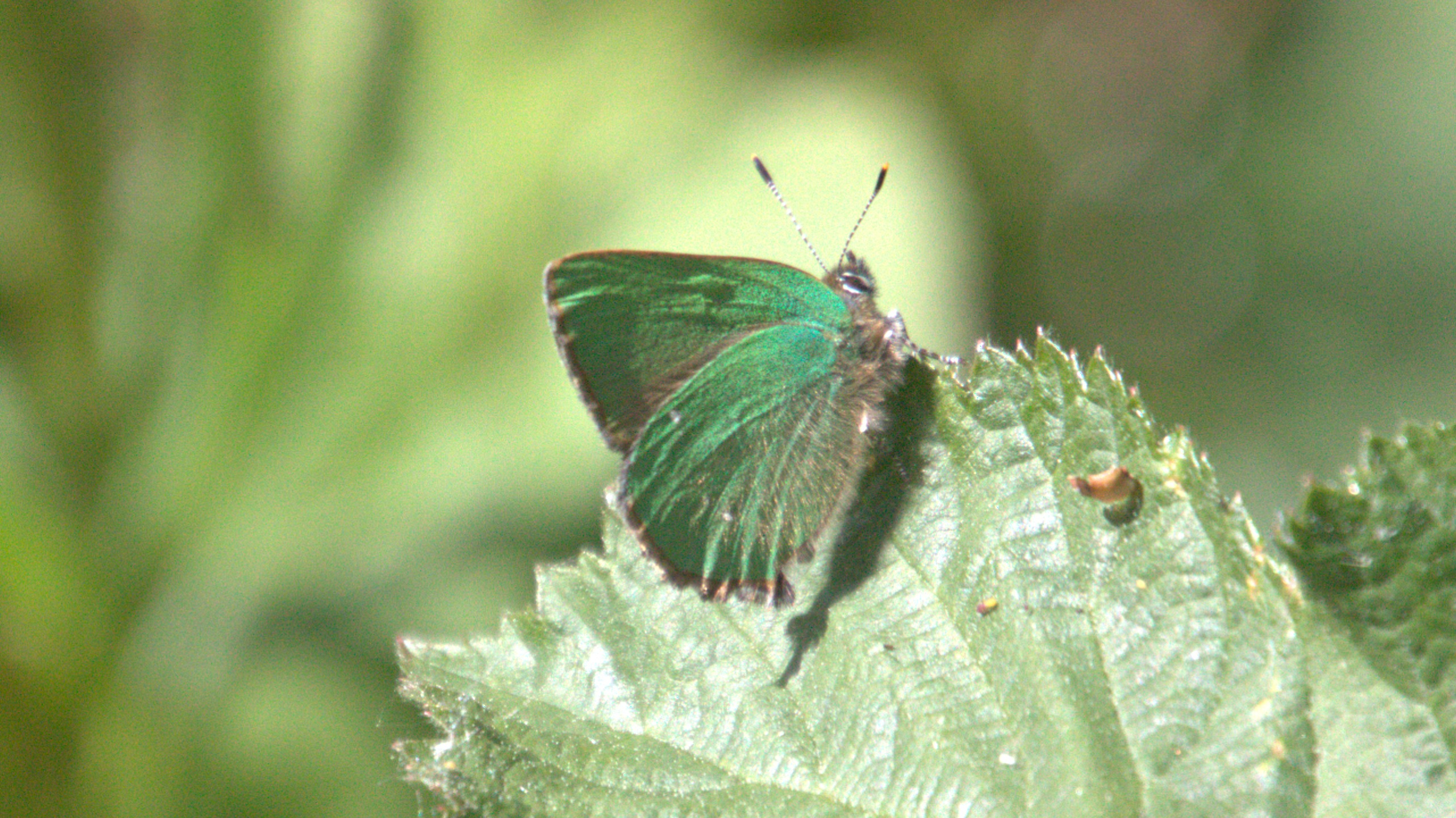
- Green Hairstreak butterfly at Hampton Heath
-
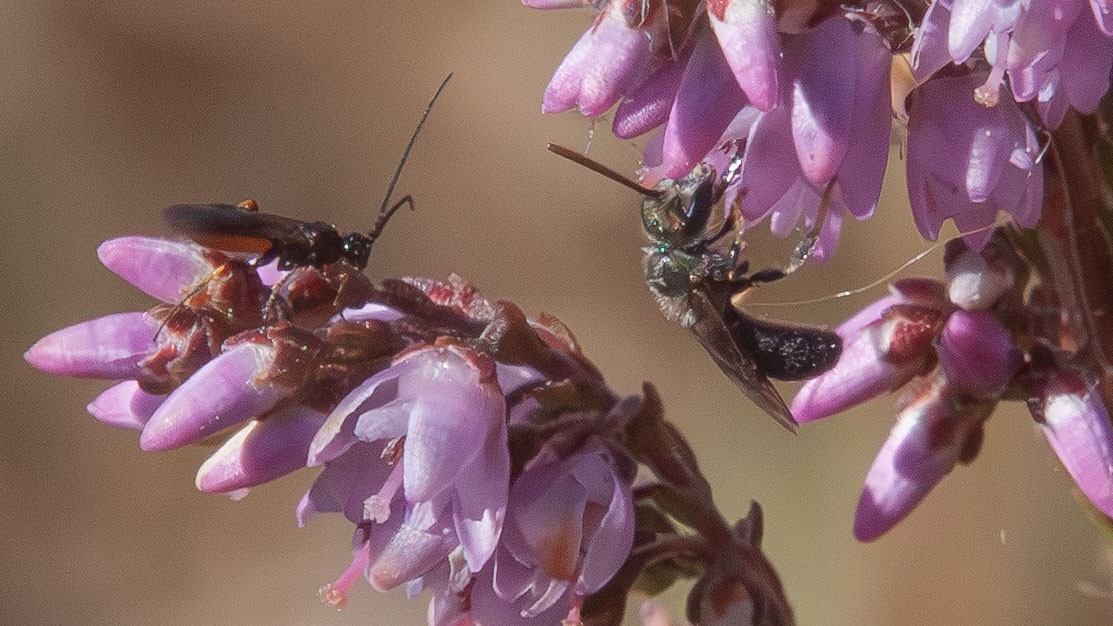
- Pollinators on the bell heather introduced at Hampton Heath
-
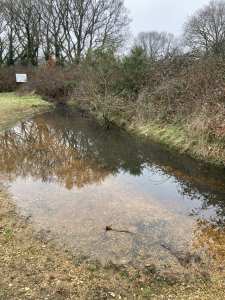
- New pond dug at Hampton Heath, with funding from Crane Valley Community Fund
-
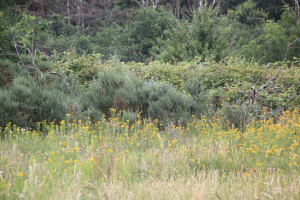
- Meadow at Hampton Heath
Images courtesy of Art Gelling, Hampton Heath Friends